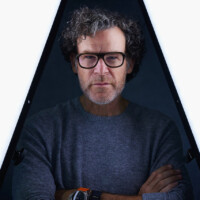
Peter Hurley on Good Morning America: The Squinch, Lookability, and How a Headshot Gets Noticed
Peter Hurley was recently featured on Good Morning America, where he shared his advice on the importance of headshots in the job application process. The segment, hosted by Rebecca Jarvis, highlighted how crucial a well-done headshot can be when applying for a job, especially in today’s digital age where online profiles often make the first impression.
As Peter explained, your headshot is like a “virtual handshake,” the first thing recruiters notice when they view your profile. Andrew McCaskill, a LinkedIn career expert who appeared in the segment, put it plainly: profiles with headshots receive 21 times more views, and without one, a profile is just print on paper.
Peter’s standard for what makes a headshot work is what he calls lookability, the image’s ability to secure attention from an onlooker. As he described it on air, a good headshot has to stop the scroll, get the click, and show what a person is giving through the image before the viewer moves on. The segment illustrated the idea with Hunter Patterson, an aspiring sports commentator who updated his headshot twice while building his on-camera brand. Looking directly into the lens and smiling is the look Peter says pairs confidence with approachability.
That pairing is what Peter calls the squinch, a subtle narrowing of the distance between the lower eyelid and the pupil. It’s one of the ways he helps clients look their best while keeping the image authentic.
The segment also covered how to style a headshot: dress for the job you want, not the job you have (small context clues like a stethoscope for a medical professional help), and avoid busy backgrounds. As Peter put it, you don’t need another character in your background competing for attention, since a viewer only gives a photo a split second before deciding whether to keep looking.
One fair concern the segment raised: could adding a photo to a resume introduce bias into hiring? LinkedIn says it offers tools that let recruiters review profiles with ethnicity and gender identifiers removed, aimed at reducing unconscious bias in the screening process.
Check out the interview here: